
Inve Reading Track
Sector Analysis
How to analyse each kind of business — banks, sugar, steel, cables, city gas and more — and the numbers and policy levers that decide the outcome.
59 articles
- 1

How to Analyse a CDMO / CRAMS Pharma Company
How to analyse a CDMO or CRAMS stock through its RFP funnel, pipeline mix, asset turns, client concentration, capex discipline and biotech-funding cycle.
- 2

How to Analyse a Consumer Durables Stock
How to analyse a consumer durables stock through volume growth, product mix, channel inventory, copper costs, margins and weather-driven demand swings.
- 3

How to Analyse a Fertilizer Stock (Subsidy, Mix)
How to analyse a fertilizer stock through product mix, subsidy receivables, gas cost, EBITDA per tonne and its growing non-subsidy crop-protection business.
- 4

How to Analyse a Media & Entertainment Stock
How to analyse a media stock through ad and subscription mix, content costs, footfalls, ATP, OTT, gaming GGR and the difficult shift from linear to digital.
- 5

How to Analyse a Metals & Mining Stock (Non-Ferrous)
How to analyse a metals and mining stock through LME prices, cost per tonne, captive integration, EBITDA per tonne, net debt and sensible mid-cycle value.
- 6

How to Analyse a Ports and Shipping Stock
How to analyse a ports and shipping stock — cargo volume, mix and realisation for ports; charter rates, TCE and NAV for shipping; EV/EBITDA vs deep cyclical.
- 7

How to Analyse a Renewable Energy (Solar/Wind) Stock
How to analyse a renewable energy stock — order book in GW, contracted vs merchant capacity, PLF/CUF, PPA tariffs, cost of capital, IPP vs wind-OEM lenses.
- 8

How to Analyse a SaaS Software Product Company
How to analyse a SaaS company: read ARR, net revenue retention, billings, gross margin and the Rule of 40 to test whether its revenue is truly recurring.
- 9

How to Analyse a Staffing / Business Services Stock
How to analyse a staffing and business services stock in India: read EBITDA per associate, markup, DSO and the statutory-compliance moat that decides survival.
- 10
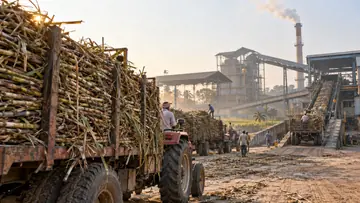
How to Analyse a Sugar and Ethanol Stock
How to analyse a sugar and ethanol stock — cane cost, recovery rate, sugar realisation, the ethanol diversion margin, and why policy sets the price.
- 11

How to Analyse a Textiles and Apparel Stock
How to analyse a textiles stock: read cotton pass-through, capacity use and export mix, then value branded apparel differently from commodity spinning.
- 12

How to Analyse an Airline Stock (RASK, CASK, PLF)
How to analyse an airline stock in India: read RASK vs CASK, load factor, fleet ownership mix, fuel and forex exposure, and value it on EV/EBITDAR — not P/E.
- 13

How to Analyse an Alcobev Stock (P&A, Premiumisation)
How to analyse an alcobev stock — P&A volumes, premiumisation mix, the ENA-and-glass gross-margin bridge, realisation per case, A&P spend and state excise risk.
- 14

How to Analyse an ER&D Engineering Services Company
How to analyse an ER&D engineering services company — read vertical mix, SDV/EV exposure, deal TCV, utilisation and the client-R&D-budget cyclicality.
- 15
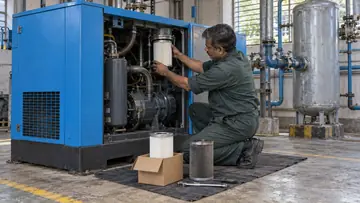
How to Analyse an Industrial Machinery Stock
How to analyse an industrial machinery stock: read aftermarket revenue, capacity use, working capital and capex-cycle leverage before paying a P/E premium.
- 16

How to Analyse an Oil and Gas Stock (GRM, SOTP)
How to analyse an oil and gas stock: read GRM, marketing margin, throughput, upstream realisation, petchem spreads and value each segment without peak bias.
- 17

How to Analyse a Bank Stock (NIM, CASA, GNPA, ROA)
How to analyse a bank stock in India: read NIM, CASA, GNPA/NNPA, PCR, credit cost, slippage, CRAR and ROA — and value a bank on P/B vs ROE, not on P/E.
- 18

How to Analyse a Building Products Company (Pipes, Tiles)
How to analyse a building products stock through volume vs value growth, realisation, inventory swings, capacity use, dealer reach and branded market share.
- 19
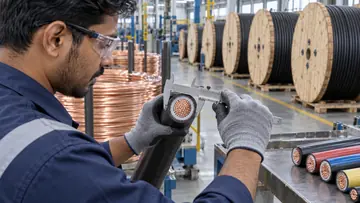
How to Analyse a Cables and Wires Stock
How to analyse a cables and wires stock in India: read volume vs value growth, B2B vs FMEG mix, copper pass-through, capacity utilisation and exports.
- 20
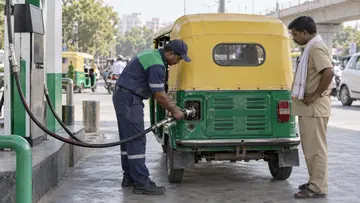
How to Analyse a City Gas Distribution Stock
How to analyse a city gas distribution stock: read volume, EBITDA per scm, CNG-PNG-industrial mix, gas sourcing and APM allocation risk like a sector analyst.
- 21
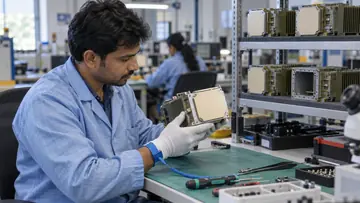
How to Analyse a Defence Stock (Order Book, Execution)
How to analyse a defence stock in India — read order book, book-to-bill, execution, indigenisation and government receivables before paying up for visibility.
- 22

How to Analyse a Diagnostics Stock (Volume, Realisation)
How to analyse a diagnostics stock in India — read test volume, realisation per test, B2C vs B2B mix, lab network and EBITDA margin the way an analyst does.
- 23

How to Analyse a General Insurance Company
How to analyse a general insurer in India through its combined ratio, loss ratio, solvency, float and investment yield—and spot durable underwriting profit.
- 24

How to Analyse a Hospital Stock (ARPOB, Occupancy)
How to analyse a hospital stock in India: read ARPOB, occupancy, EBITDA per bed, ALOS, payor mix and the new-hospital drag before you trust the margin.
- 25

How to Analyse a Hotel Stock (RevPAR, ARR, Occupancy)
How to analyse a hotel stock in India: read RevPAR, ARR, occupancy, room pipeline and the owned-vs-managed mix to see operating leverage before the cycle turns.
- 26

How to Analyse a Housing Finance Company (HFC)
How to analyse a housing finance company in India: read spread vs NIM, GNPA, LTV, cost of funds and borrowing mix to tell a real spread from a borrowed one.
- 27

How to Analyse a Jewellery Stock (SSSG, Stud, Stores)
How to analyse a jewellery stock in India through SSSG, studded mix, store additions, making charges, inventory funding and gold-price effects on margins.
- 28

How to Analyse a Life Insurance Company (VNB, EV, P/EV)
How to analyse a life insurance company in India — read APE, VNB margin, persistency, product mix, solvency and embedded value, and value it on P/EV, not P/E.
- 29

How to Analyse a Logistics Stock (Density, Mix, Realisation)
How to analyse a logistics stock in India: read volume, realisation, network density and express-vs-FTL mix to spot operating leverage before it hits profit.
- 30

How to Analyse a New-Age Internet Stock (GMV, Take Rate)
How to analyse a new-age internet stock in India through GMV, take rate, contribution margin and adjusted EBITDA—and test whether reported profits are real.
- 31

How to Analyse a Paints Stock (Volume, Value, Margin)
How to analyse a paints stock in India: read volume versus value growth, raw-material margins, dealer reach, tinting capacity and market-share shifts.
- 32

How to Analyse a Power Utility Stock (PLF, RoE, Merchant)
How to analyse a power utility stock in India: read PLF and plant availability, regulated RoE vs merchant exposure, fuel under-recovery and discom receivables.
- 33

How to Analyse a QSR Restaurant Company (SSSG, AUV)
How to analyse a QSR restaurant stock in India: read SSSG, store adds, average unit volume and restaurant-level EBITDA before the headline P&L misleads you.
- 34

How to Analyse a Retail Stock (SSSG, Density, Inventory)
How to analyse a retail stock — read SSSG, revenue per square foot, store adds, inventory days and gross margin to tell real growth from a store-count mirage.
- 35

How to Analyse a Specialty Chemicals Stock
How to analyse a specialty chemicals stock: read volume vs spread, RM pass-through, asset turns, export mix and the China-dumping risk a growing topline hides.
- 36
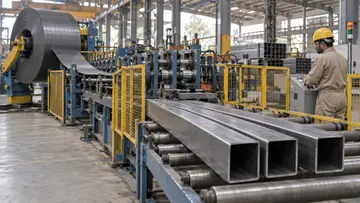
How to Analyse a Steel Stock (Spread, EBITDA/Tonne)
How to analyse a steel stock: read realisation, coking-coal spreads, EBITDA per tonne, net debt and value-added mix without being fooled by the peak P/E.
- 37
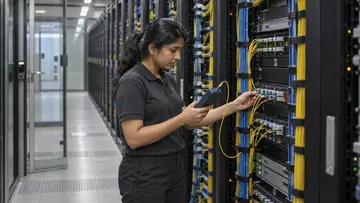
How to Analyse a Stock Exchange or Broker Stock
How to analyse a stock exchange or broker in India — read ADTO, active clients, market share, take rate and revenue mix, and price the regulatory risk.
- 38

How to Analyse a Telecom Stock (ARPU, Churn, AGR)
How to analyse a telecom stock in India: read ARPU, subscribers, data usage, 4G/5G mix, capex, churn, spectrum costs and AGR liabilities like an analyst.
- 39

How to Analyse a Tyre Stock (Margins, RM, Volume)
How to analyse a tyre stock in India: read rubber versus realisation, tonnage, OEM-replacement mix, capacity use and exports before its margin turns.
- 40

How to Analyse an Agrochemicals Stock (CSM, Season, RM)
How to analyse an agrochemicals stock in India: read CSM order book vs domestic mix, monsoon seasonality, exports, raw-material cost and channel inventory.
- 41

How to Analyse an AMC Stock (AUM, Yield, SIP Flows)
How to analyse an AMC stock in India: read closing vs average AUM, equity mix, yield in bps, SIP flows, MTM sensitivity and opex-to-AUM before the cycle turns.
- 42
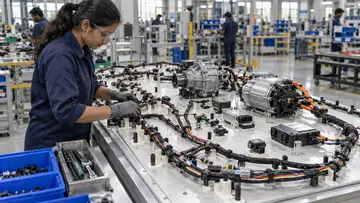
How to Analyse an Auto Ancillary Stock (Content/Vehicle)
How to analyse an auto ancillary stock in India: read content per vehicle, OEM vs replacement vs export mix, EV exposure, RM pass-through and the order book.
- 43

How to Analyse an Auto OEM Stock (Volumes, Mix, EBITDA)
How to analyse an auto OEM stock in India: read volume, ASP, product mix, EBITDA per vehicle, market share and operating leverage before relying on P/E.
- 44
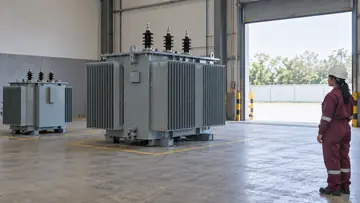
How to Analyse an Electrical Equipment Company
How to analyse an electrical equipment company: read order backlog, base vs project orders, exports, capacity, lead times and OPM through the capex cycle.
- 45
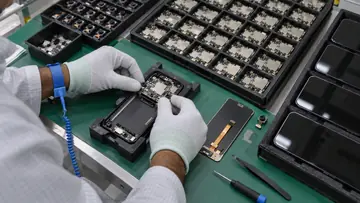
How to Analyse an EMS Electronics Manufacturing Company
How to analyse an EMS stock in India: read its order book, revenue mix, gross margin, ODM share, capacity use and working capital before paying for growth.
- 46

How to Analyse an EPC Infrastructure Company
How to analyse an EPC infrastructure company: read order book, book-to-bill, working-capital days, net debt and OPM to tell a real backlog from a cash trap.
- 47

How to Analyse an FMCG Stock (Volume, Margin, Reach)
How to analyse an FMCG stock in India: read volume vs value growth, gross margin, A&P spend and distribution reach to find real demand under the headline.
- 48

How a Bank Makes Money: CASA, NIM and Bad Loans
How does a bank make money? It buys money cheap and lends it dear. Learn CASA, net interest margin and the bad loans that sink banks, using HDFC Bank's numbers.
- 49

Order Book: How a Capital-Goods Business Earns
A capital-goods company is judged by its order book, not this quarter's sales — because revenue lags orders by years. How to read L&T's backlog like an owner.
- 50

How a Cement Company Makes Money in India
How a cement company makes money: a regional game of capacity, utilisation, pricing and freight. Learn to read one through UltraTech — not a buy call.
- 51

How a Pharma Business Earns Money: Brands vs Generics
How Indian pharma stocks earn money: steady domestic brands vs volatile US generics, price erosion, R&D lag, and the USFDA OAI inspection that can halt supply.
- 52

Regulated Power Utility: How Power Grid Earns Money
How a regulated power utility like Power Grid earns assured returns on capital, why its profits barely move, and why its only way to grow is to keep building.
- 53

How a Real Estate Developer Stock Actually Makes Money
How a real estate developer like DLF earns: pre-sales vs reported revenue, cash before construction, and why debt through the property cycle decides survival.
- 54

Specialty Chemicals Stocks: How They Make Money
How specialty chemicals stocks earn — niche molecules, sticky customers, China+1 and lumpy capex — read through Vinati Organics and its ATBS franchise.
- 55

How Auto Stocks Earn: Volume, the Cycle, and Steel
How a car maker really earns money: volume, the cycle, operating leverage, and the steel swing — read with Maruti Suzuki's real numbers, an owner's way.
- 56

FMCG Business Model: How It Actually Makes Money
How an FMCG company makes money: volume and pricing, distribution reach, brand, gross margin and working capital — read like an owner with Dabur's numbers.
- 57

How Life Insurers Make Money: Float & Embedded Value
How life insurance companies make money: float, persistency and embedded value, not the P/E line. Learn to read an insurer like HDFC Life as an owner would.
- 58

How an IT Services Business Makes Money (Infosys)
An IT-services firm rents skilled hours at a markup. Read it like an owner — utilisation, attrition, deal wins and the rupee — using Infosys as the example.
- 59

NBFC Business Model: How a Money Wholesaler Works
How the NBFC business model works: borrow wholesale, lend retail, earn the spread. Why funding access is life-or-death, and what the 2018 IL&FS freeze revealed.